

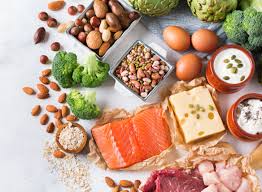
Protein Is an Important Part of a Diet—Up to a Point, Protein has earned a reputation as the building block of life, and for good reason. From repairing muscles to supporting hormone production, this macronutrient is vital for every age group. But like many good things, too much protein can become a problem. Here’s a closer look at why protein is essential, how much you truly need, and how to balance your intake for long-term wellness.
Why Your Body Needs Protein
Protein provides amino acids—often called the body’s “building blocks.” These amino acids:
- Support Muscle Repair and Growth: Whether you exercise regularly or simply go about daily activities, protein helps repair tiny muscle tears and aids growth.
- Boost Immunity: Antibodies, which defend against infections, are proteins.
- Maintain Healthy Skin, Hair, and Nails: Structural proteins like collagen and keratin keep these tissues strong.
- Regulate Hormones and Enzymes: Many key hormones and enzymes rely on adequate protein to function.
Because your body can’t store protein the way it stores carbs or fat, a steady dietary supply is essential.
How Much Protein Do You Really Need?
The Recommended Dietary Allowance (RDA) for most healthy adults is about 0.8 grams of protein per kilogram of body weight—roughly 46 grams per day for women and 56 grams for men. Active individuals or athletes may need a bit more, but doubling or tripling these amounts isn’t necessary for the average person.
Tip: Focus on quality sources like lean meats, fish, eggs, dairy, beans, lentils, and nuts to meet your needs without excessive saturated fat.
The Risks of Too Much Protein
Loading up on extra protein shakes or large portions of meat might seem harmless, but overconsumption can create problems:
- Kidney Strain: High protein intake can stress kidneys, especially for people with underlying kidney issues.
- Digestive Discomfort: Excess protein can lead to dehydration, constipation, or bloating.
- Nutrient Imbalance: A high-protein diet often means fewer fruits, vegetables, and whole grains, reducing fiber and key vitamins.
Balancing Protein for Optimal Health
The key is moderation. Aim to spread protein across meals and snacks, pairing it with whole grains and plenty of colorful vegetables. Plant-based options like quinoa, tofu, and chickpeas provide both protein and fiber, helping with weight management and heart health.
For inspiration on balanced, natural foods, explore Al Quwwah Natural’s wellness products—a great resource for clean, nutrient-rich options.
Smart Meal Ideas
- Breakfast: Greek yogurt with berries and chia seeds
- Lunch: Lentil salad with roasted vegetables
- Dinner: Grilled salmon with quinoa and steamed greens
- Snack: A handful of almonds or roasted chickpeas
Final Thoughts
Protein is undeniably crucial, but more is not always better. By choosing high-quality sources and staying mindful of portion sizes, you can support muscle health, immunity, and overall well-being—without the downsides of overdoing it.


