

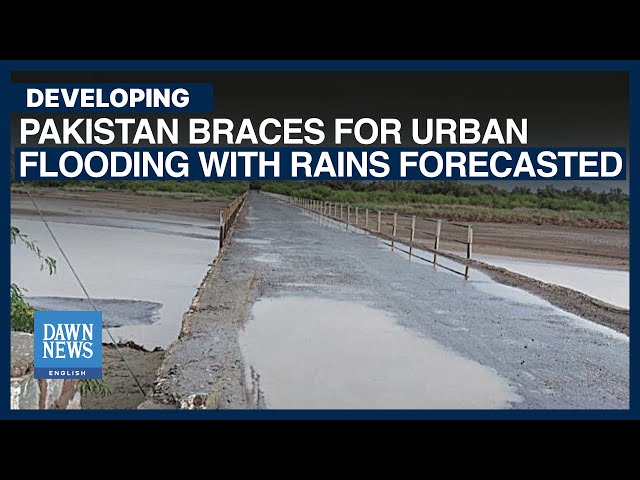
Pakistan Faces Escalating Dengue Threat Amid Floods and Monsoon Rains, Pakistan’s health authorities are sounding the alarm as relentless monsoon rains and flash floods threaten to trigger one of the most severe dengue outbreaks in recent years. Stagnant water left behind by overflowing rivers and urban flooding has become a breeding haven for Aedes aegypti mosquitoes, the primary carriers of the dengue virus.
A Perfect Storm for Dengue
Dengue fever, a mosquito-borne viral infection, thrives in warm, humid conditions. This year’s heavier-than-usual rains have inundated major cities including Karachi, Lahore, and Islamabad, creating countless pools of stagnant water in low-lying areas, construction sites, and open drains.
Health experts warn that if preventive steps are not taken immediately, Pakistan could see a surge of dengue cases similar to—or worse than—the 2019 outbreak, which infected over 50,000 people nationwide.
Related Reading (Inbound Link):
Explore natural ways to boost immunity in our Herbal Immunity Guide to help your body stay resilient during mosquito-borne disease seasons.
Government and Health Agencies on High Alert
The National Institute of Health (NIH) and provincial health departments have issued advisories urging local administrations to intensify anti-mosquito fumigation campaigns. Emergency response units are being set up in public hospitals to handle a potential spike in patients exhibiting dengue symptoms such as high fever, joint pain, and severe headaches.
Officials also stress the importance of community involvement. Simple measures—like regularly emptying water containers, cleaning rooftop tanks, and using mosquito repellents—can significantly reduce the spread of mosquitoes.
Public Health Impact and Economic Concerns
Beyond the immediate health risks, a widespread dengue outbreak could place a heavy economic burden on Pakistan’s already strained healthcare system. Hospital overcrowding during peak transmission periods limits access to treatment for other illnesses.
The World Health Organization (WHO) warns that unchecked dengue spread can disrupt productivity, affect schooling, and increase healthcare expenditures.
Natural Prevention Tips for Households
Preventing dengue doesn’t always require expensive chemicals or pesticides. Families can adopt these natural, eco-friendly practices:
- Neem Oil Spray: Diluted neem oil is a natural mosquito repellent for indoor plants and gardens.
- Lemon Eucalyptus Oil: Research suggests it effectively keeps mosquitoes away when applied to exposed skin.
- Mosquito-Repelling Plants: Basil, lavender, and marigold plants can help reduce mosquito presence around homes.
For a detailed guide on natural mosquito repellents, visit this helpful resource from the World Health Organization (outbound link).
Climate Change Connection
Environmental scientists point to climate change as a driving factor behind more intense rainfall patterns and prolonged warm seasons in South Asia. Rising temperatures and unpredictable weather create year-round mosquito breeding opportunities, making dengue outbreaks harder to control.
Adopting sustainable urban planning and improved drainage systems can mitigate future risks.
Community Action: The Key to Containment
Ultimately, defeating dengue requires a collective effort. Local neighborhood groups can organize clean-up drives to remove stagnant water and educate residents on preventive habits. Schools and workplaces can distribute awareness leaflets and provide mosquito nets where needed.
By combining government resources, natural preventive strategies, and community vigilance, Pakistan can significantly reduce the scale of a potential outbreak.


