

Article (≈820 words), Introduction, Breast cancer treatment does not just conclude at removing a tumor—it often entails decisions about how best to restore a patient’s physical and emotional well-being. Among these options, breast reconstruction plays a vital role. Yet in China, although mastectomy rates are high, the reconstruction uptake remains relatively low. Understanding how breast surgery healthcare professionals—surgeons, nurses, and others—perceive and act upon breast reconstruction is essential for improving outcomes and closing gaps in healthcare delivery.
Knowledge: A Foundation That Needs Strengthening
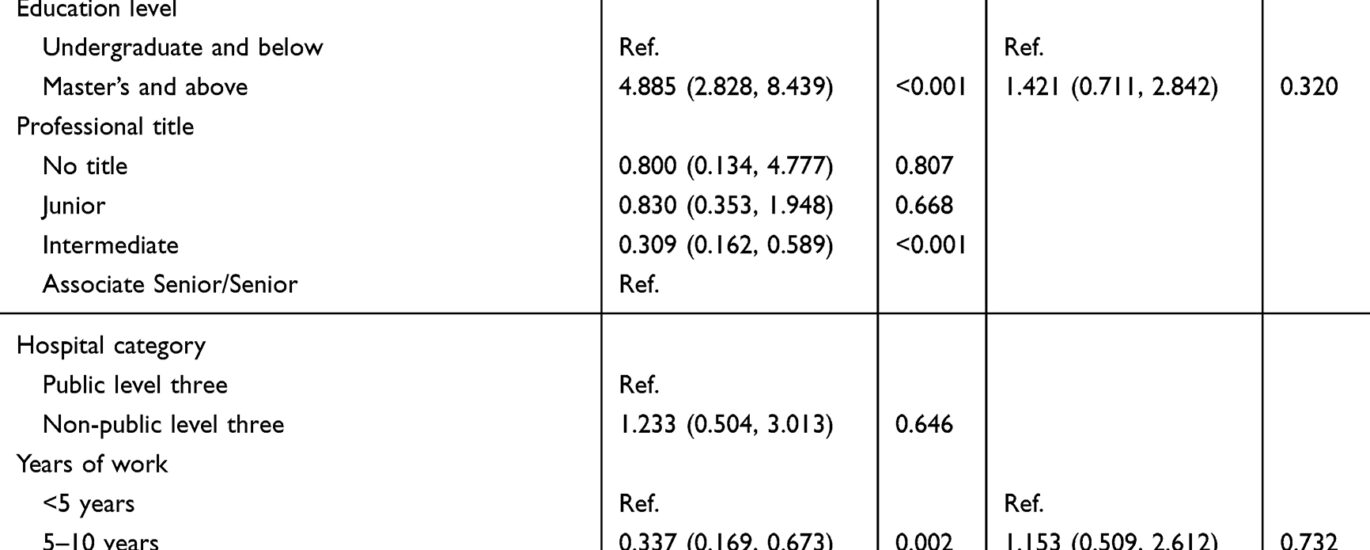
Recent research (July–September 2024) across multiple hospital centers in China revealed that healthcare professionals generally lack comprehensive knowledge about breast reconstruction procedures, indications, and benefits, despite recognizing reconstruction’s value. Dove Medical Press
Several systemic factors contribute to this gap—ranging from limited exposure during training to lack of updated continuing medical education (CME). But knowledge is influential: in many healthcare settings, higher understanding among professionals correlates with improved patient dialogue and referrals. Addressing knowledge gaps through focused CME and training modules should thus be a priority.
Attitude: Generally Positive—But Not Enough
Despite knowledge limitations, healthcare professionals showed a positive attitude toward breast reconstruction. They acknowledged its importance for patient livelihood, self-esteem, and quality of life. Dove Medical Press
This positive mindset is encouraging—it forms a solid foundation. Yet attitude alone, even if favorable, is not sufficient. Without boosting knowledge and implementing structural support (such as referral pathways and reconstructive services), these favorable attitudes may not translate into action.
Practice: Early Signs of Engagement, but Still Limited
The 2024 study also found that some professionals are beginning to proactively discuss reconstruction with patients, though actual practice rates remain low. Dove Medical Press Case in point: between 2012 and 2018, reconstruction rates rose from about 4.5% to just 9.6% of mastectomy patients—still far behind Western benchmarks of 20%–50%. Dove Medical Press
This suggests that while professionals are open to reconstruction, systemic barriers—such as lack of trained oncoplastic surgeons, referral mechanisms, surgical capacity, cost concerns, and cultural hesitations—are limiting implementation.
Barriers Rooted in Structure and Culture
Understanding practical limitations is key:
- Structural constraints: In many Chinese hospitals, oncoplastic surgery units are rare; reconstructive materials may not be easily accessible, and there might be no standard referral protocols.
- Economic and insurance issues: Unlike in many Western systems, reconstructive procedures may not be fully covered, making cost a deterrent.
- Cultural hesitancy: Some patients decline reconstruction due to fear of prolonged surgery or societal perceptions.
- Professional training gaps: Surgeons and nurses may defer reconstructive discussions if they’re not confident in explaining options or navigating logistics.
Strategic Recommendations
To build on positive attitudes and convert them into action, a multipronged strategy should include:
- Education and Training
- Offer targeted CME modules on reconstructive techniques, timing, benefits, and patient counseling.
- Support opportunities for healthcare professionals to observe and train in centers with established reconstruction services.
- System-Level Integration
- Develop clear referral pathways between surgical and reconstructive teams.
- Foster multidisciplinary collaboration—e.g., breast surgeons, plastic surgeons, nurses, and patient counselors.
- Patient-Centered Communication
- Use decision aids and visual examples to help patients understand reconstruction options and set realistic expectations.
- Policy and Insurance Advocacy
- Promote reconstructive surgery inclusion under public or private insurance plans to reduce out-of-pocket costs.
- Encourage pilot programs that demonstrate financial sustainability of reconstruction coverage.
- Monitoring and Feedback
- Conduct regular audits: track reconstruction rates, referral patterns, patient satisfaction, and barriers encountered.
- Use collected data to inform ongoing improvements.
Why This Matters for Health Outcomes
When breast reconstruction is offered and accessible, patients often experience:
- Improved psychological well-being and self-image
- Greater satisfaction with cancer treatment overall
- Better social reintegration and quality of life
Moreover, empowering healthcare professionals with knowledge and structured pathways enables them to actively support patients—moving beyond neutral attitudes to impactful, life-enhancing practices.
Conclusion
The study of Chinese breast surgery professionals’ KAP toward reconstruction reveals a mix of optimism and limitations: positive attitudes are present, but knowledge gaps and systemic barriers limit practical uptake. Addressing these through targeted education, system reforms, and supportive policies can enhance reconstruction rates—and ultimately, patient outcomes. Improved KAP not only benefits professionals—it uplifts the women they serve.


